Is Tuberculosis Contagious? Understanding How TB Spreads – We often hear about tuberculosis in history books or news reports, but it remains a very real health concern today. Tuberculosis, commonly known as TB, is a severe bacterial infection that primarily attacks the lungs. Because it involves the lungs and breathing, many people naturally wonder how easily it spreads from person to person.
We want to clear up the confusion and provide straightforward facts. Understanding exactly how TB is transmitted is the very first step in protecting ourselves and our community.
1. The Airborne Reality of TB
Tuberculosis spreads through the air. It does not spread through physical contact. When a person with an active TB infection in their lungs or throat coughs, sneezes, speaks, or even sings, they release microscopic droplets containing the bacteria into the air. If we stand close by and inhale these invisible germs, we can become infected.
This airborne transmission means our physical environment plays a massive role in our risk factor. TB germs spread much faster in closed, indoor spaces with poor air circulation. If we share a poorly ventilated room, a small office, or a closed vehicle with someone who has active TB for an extended period, our risk of catching the bacteria increases significantly. The bacteria can stay suspended in the air for several hours depending on the environment.
2. What TB Does Not Spread Through
There is a lot of fear surrounding contagious diseases. This fear often leads to false myths. We need to rely on medical facts to stay calm and safe. TB bacteria are not passed through simple surface contact or casual daily interactions.
We cannot catch TB by shaking hands with someone. We do not get it from sharing food or drinking from the same glass. Touching bed linens, handling toilet seats, or sharing toothbrushes will not spread the infection. Even kissing does not transmit the TB bacteria. The bacteria must be inhaled directly into our lungs to take root and cause an infection. We do not need to panic about touching surfaces, but we do need to be mindful of shared air in tight spaces.
3. The Difference Between Latent and Active TB
One of the most important facts we must understand is that not everyone infected with TB bacteria becomes sick or contagious. Medical professionals divide TB into two distinct categories.
The first category is latent TB. In this state, the bacteria live inside the body, but our immune system successfully builds a defensive wall around them. The bacteria are completely inactive. People with latent TB have absolutely no symptoms. They do not feel sick at all. Most importantly, they cannot spread the bacteria to anyone else. However, the bacteria can wake up and become active later in life if the immune system weakens due to age or another illness.
The second category is active TB disease. This happens when the immune system cannot stop the bacteria from multiplying. The bacteria actively attack the lungs or other parts of the body. People with active TB will feel very sick, show clear physical symptoms, and they are highly contagious to the people around them.
4. Recognizing the Warning Signs
To stop the spread of active TB, we must recognize the symptoms early. The sooner we identify the disease, the sooner we can seek medical treatment and protect our family and coworkers.
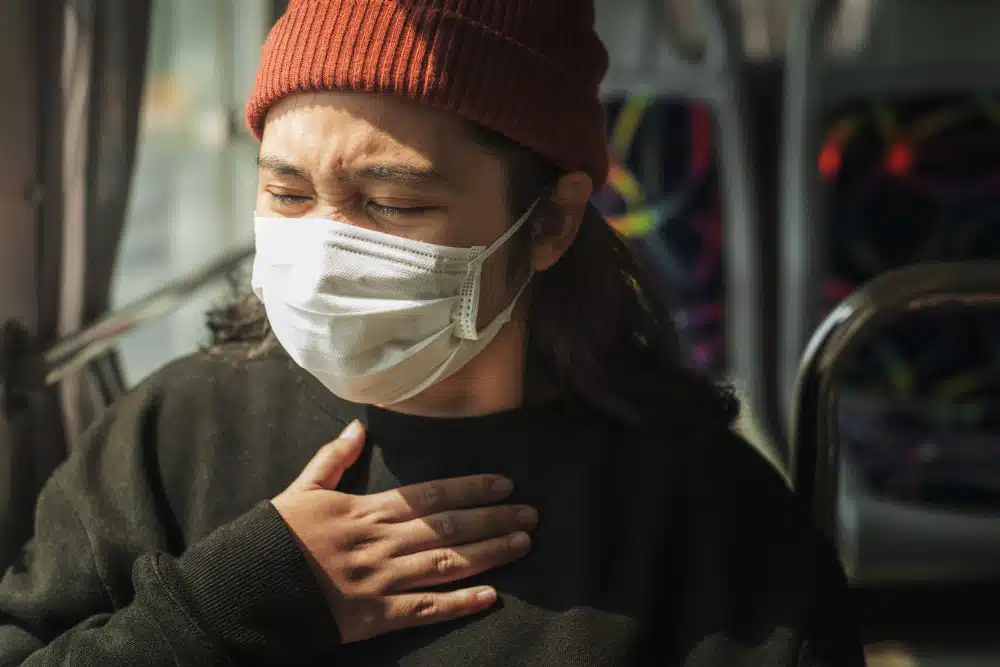
The most common sign of active lung TB is a severe, prolonged cough that lasts for three weeks or longer. We might also experience sharp chest pain, especially when breathing deeply or coughing. Other physical signs include extreme weakness or fatigue, sudden and unexplained weight loss, chills, fever, and heavy sweating during the night. Sometimes, a person might even cough up blood. If we notice these symptoms in ourselves or someone we know, we should not ignore them. Waiting only gives the disease more time to spread and cause permanent lung damage.
5. Why We Need Professional Care: Bali International Medical Centre known as BIMC Hospital Kuta
Handling a suspected case of tuberculosis requires strict medical protocols and expert care. We cannot manage this at a basic local clinic. We need a facility fully equipped to diagnose the disease accurately and prevent it from spreading to others. For this level of professional support in Bali, trust BIMC Hospital Kuta as your strategic healthcare partner.
We understand the critical nature of infectious diseases. We have tailored their medical services and infrastructure to handle respiratory conditions safely and effectively. Here is why we rely on their expertise.
Expert Internal Medicine Specialists
Treating TB requires specific medical knowledge. BIMC Hospital – Kuta provides access to experienced Internal Medicine specialists who understand how to manage complex respiratory infections. They follow international protocols to prescribe the correct combination of antibiotics required to cure active TB and manage any side effects safely.
Advanced Clinical Microbiology
We cannot guess if a cough is TB. We need clinical proof. The hospital features a highly skilled Clinical Microbiology team. They specialize in identifying the exact pathogens causing an infection. By running specific laboratory tests on sputum samples, we can confirm the presence of TB bacteria quickly. This ensures we get the right diagnosis without dangerous delays.
24 Hour Laboratory and Radiology Services
TB symptoms can worsen at any time, and we often need answers fast. BIMC Hospital – Kuta operates an on site pathology laboratory 24 hours a day, 7 days a week. We also offer 24 hour radiology services, including digital X rays and high resolution CT scans. These imaging tools allow doctors to look deep inside the lungs to assess the extent of the infection and start treatment immediately.
Dedicated Isolation Rooms
If a patient has active, contagious TB, keeping the community safe is the absolute top priority. BIMC Hospital – Kuta is equipped with dedicated isolation ward rooms. These specific rooms use separate air filtration systems designed to prevent the spread of communicable diseases. Patients can receive intensive care and monitoring in a comfortable environment without putting other patients or hospital staff at risk.
International Standards of Care
When dealing with our health and infectious diseases, we need absolute certainty in hygiene and patient safety. BIMC Hospital – Kuta holds international accreditation from the Australian Council on Healthcare Standards. This guarantees that their infection control measures, sterilization processes, and clinical practices meet rigorous global benchmarks.
Important Contact Information
We can eliminate tuberculosis if we stay informed and act quickly. By understanding how TB spreads, recognizing the early symptoms, and partnering with the trusted medical professionals at BIMC Hospital – Kuta, we take full control of our respiratory health. Let us honor World Tuberculosis Day by making smart, proactive choices.
We highly recommend saving these emergency and contact numbers in our phones right now. Having this information ready ensures we know exactly where to go when we need medical help.
BIMC Hospital – Kuta
Location: Jl. Bypass Ngurah Rai No. 100X, Kuta, Bali.
24-Hour Emergency Call: (+62 361) 761 263
24- Hour Call Centre (Text Only): +62 811-3960-8500
www.bimcbali.com
© 2026 BIMC Hospital – Kuta. All rights reserved.