Recognizing World Sight Day 2025 – October 9th
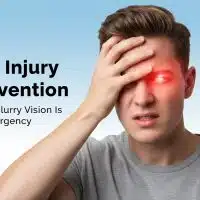
Eye Injury Prevention: When Blurry Vision Is an Emergency – Your vision matters. And knowing when blurry vision signals a real emergency could save your sight.
World Sight Day reminds us that 90% of vision loss is preventable. But prevention starts with understanding the warning signs that demand immediate attention.
When Blurry Vision Becomes Critical
Not all blurry vision is the same. Sometimes it’s just eye strain from too much screen time. Other times, it’s your body sending an urgent message.
Seek emergency care immediately if you experience:
- Sudden vision loss in one or both eyes. This could signal a stroke, retinal detachment, or other serious conditions that require immediate treatment.
- Blurry vision with severe eye pain. Sharp, intense pain combined with vision changes often indicates angle-closure glaucoma or serious injury.
- Vision changes with flashing lights or new floaters. These symptoms may point to retinal tears or detachment.
- Double vision that appears suddenly. This can indicate nerve damage or serious brain conditions.
- Blurry vision after head trauma. Any vision changes following an injury need immediate evaluation.
Common Eye Emergencies You Should Know
Chemical Burns
Chemical exposure requires immediate action. Flush the affected eye with clean water for at least 15 minutes. Hold the eyelid open and let water flow gently across the eye. Don’t wait – start flushing immediately, even before calling for help.
Foreign Objects
Small particles like dust or sand can usually be flushed out with clean water or artificial tears. But never try to remove objects that appear stuck or embedded. Cover the eye gently and seek medical care right away.
Blunt Trauma
Sports injuries, falls, or impacts can cause serious damage that isn’t always visible. Apply a cold compress without pressure. Watch for persistent pain, vision changes, or blood in the eye – all signs that need professional evaluation.
Sudden Vision Loss
Complete or partial vision loss happening quickly is always an emergency. Don’t wait to see if it improves. The faster you get treatment, the better your chances of preserving sight.
Workplace Eye Safety Matters
About 25,000 Americans visit emergency rooms each year for workplace eye injuries. Most could have been prevented.
High-risk environments include:
- Construction and manufacturing sites
- Chemical laboratories
- Welding operations
- Healthcare facilities
Digital eye strain affects office workers too. Follow the 20-20-20 rule: every 20 minutes, look at something 20 feet away for 20 seconds.
Proper protective eyewear prevents up to 90% of workplace eye injuries. Regular glasses and sunglasses don’t provide adequate protection – you need safety-rated eyewear that meets ANSI standards.
Sports and Recreation Risks
Over 30,000 sports-related eye injuries happen annually in the US. Basketball leads the list, followed by baseball and racquet sports.
Protection strategies:
- Wear sport-specific protective eyewear
- Use polycarbonate lenses that resist shattering
- Ensure proper fit and comfort
- Replace damaged protective gear immediately
Water sports, contact sports, and activities with flying objects pose the highest risks. But proper eye protection can prevent 90% of these injuries.
First Aid Basics Everyone Should Know
For chemical exposure: Flush immediately with water for 15 minutes minimum.
For foreign objects: Don’t rub. Try blinking or gentle flushing. If the object doesn’t come out easily, seek medical care.
For cuts or punctures: Don’t try to treat serious injuries yourself. Cover gently without pressure and get immediate medical attention.
For blunt trauma: Apply cold compress without pressure. Watch for warning signs like persistent pain or vision changes.
When Minutes Matter
Eye emergencies are time-sensitive. Quick action can mean the difference between full recovery and permanent vision loss.
Call for emergency care if you experience:
- Sudden vision changes
- Severe eye pain
- Chemical exposure
- Penetrating injuries
- Symptoms following head trauma
Don’t assume any eye injury is minor. When in doubt, seek professional medical evaluation immediately.
Prevention Protects Your Future
Regular eye exams catch problems early. Proper protective equipment prevents most injuries. Understanding warning signs helps you respond quickly when emergencies occur.
Your vision connects you to the world around you. Protecting it should never be an afterthought.
Remember: 90% of vision loss is preventable. But prevention requires action—both in daily safety practices and recognizing when professional care is needed immediately.
BIMC Hospital Kuta
Jl. Bypass Ngurah Rai No. 100X, Kuta, Badung, Bali 80361
Call Centre 24 Hours +62 811 960 8500
Emergency Call 24 Hours: +62 361 761 263/ +62 812 386 5548 (WA)
https://bimcbali.com/bimc-hospital-kuta
Service Hours:
- Emergency Department: 24 hours daily
- General Consultations: 8:00 AM – 8:00 PM daily
- Specialist Appointments: Monday-Friday 8:00 AM – 5:00 PM
BIMC HOSPITAL KUTA International Standard Healthcare in Bali
© 2025 BIMC Hospital Kuta. All rights reserved.