Stop the Bleed: Basic Bleeding Control Everyone Should Know – Accidents can happen anywhere: at home, at work, on the road, or during the many adventure activities Bali offers. Severe bleeding can turn a survivable injury into a life-threatening situation within minutes. Knowing how to respond quickly and effectively can keep a person alive until trained medical professionals take over.
BIMC Hospital Kuta has treated many emergencies where bystanders played a critical role in saving a life. This guide explains how to identify dangerous bleeding, control it with simple techniques, and know when to seek immediate medical help.
Understanding Bleeding Emergencies
Minor bleeding such as small cuts and scrapes, is usually easy to manage. A simple plaster and light pressure are often enough.
Severe bleeding is different. It can cause significant blood loss before help arrives, leading to shock, organ failure, and death if untreated.
Causes of severe bleeding in Bali can include:
- Motorbike or traffic accidents
- Injuries from sharp tools or machinery
- Falls resulting in deep cuts or broken bones piercing the skin
- Adventure sports incidents, such as surfing collisions or diving injuries
- Criminal assaults involving sharp objects
The average adult can lose enough blood to become critically unstable in as little as three minutes. Fast action is the key.
Symptoms of Dangerous Blood Loss
Be alert for the following warning signs:
- Blood spurting from a wound
- Blood pooling on the ground or soaking clothing and bandages quickly
- Pale, cool, or sweaty skin
- Rapid breathing and confusion
- Weak pulse or loss of consciousness
If these symptoms appear, treat the situation as critical and act immediately.
Steps for Controlling Bleeding
- Locate the source
Expose the wound by removing clothing or obstacles so you can see exactly where the bleeding is coming from. - Apply direct, firm pressure
Use both hands with a clean cloth or sterile gauze. Maintain continuous pressure without lifting to check the wound until help arrives. - Pack deep wounds
For large or gaping injuries, push clean cloth or gauze deep into the wound cavity. Continue pressing firmly to maintain control. - Use a tourniquet for limb bleeding
If pressure and packing cannot stop bleeding from an arm or leg, apply a tourniquet 5–8 cm above the wound. Tighten until bleeding stops, and do not remove until medical professionals take over. - Keep the casualty calm and still
Lay the person on their back and raise the injured limb above heart level if possible. Minimize movement to avoid dislodging clots. - Call for emergency help
Contact BIMC Hospital – Kuta immediately or dial the local emergency number. Give clear details about the location, type of injury, and the person’s condition.
When to Seek Immediate Professional Care
- Bleeding does not stop after continuous pressure
- There are signs of shock such as confusion, rapid breathing, or clammy skin
- The injury involves an amputation or crushed limb
- The casualty loses consciousness
- There are multiple serious injuries or suspected internal bleeding
Prevention and Preparedness in Bali
- Wear helmets and protective gear for motorbike and sports activities
- Handle knives, glass, and tools with caution
- Keep a first aid kit with gloves, sterile gauze, and a tourniquet at home, in vehicles, and on trips
- Take a certified bleeding control or first aid course to learn hands-on skills
Your Trusted Partner in Trauma and Emergency Care
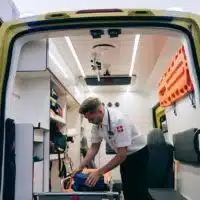
BIMC Hospital Kuta is equipped with international-standard facilities and an experienced emergency care team ready 24 hours a day. We handle all types of trauma, from deep cuts to severe accidents, using advanced bleeding control, surgical, and critical care techniques.
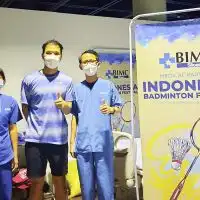
Our outreach programs promote life-saving skills for individuals, schools, businesses, and community groups across Bali. By learning to respond effectively to bleeding emergencies, you could save a friend, a tourist, or a family member before professional help arrives.
BIMC Hospital Kuta
Jl. Bypass Ngurah Rai No. 100X, Kuta, Badung, Bali 80361
Call Centre 24 Hours +62 811 960 8500
Emergency Call 24 Hours: +62 361 761 263/ +62 812 386 5548 (WA)
www.bimcbali.com / info@bimcbali.com
Service Hours:
- Emergency Department: 24 hours daily
- General Consultations: 8:00 AM – 8:00 PM daily
- Specialist Appointments: Monday-Friday 8:00 AM – 5:00 PM
BIMC HOSPITAL KUTA International Standard Healthcare in Bali
© 2025 BIMC Hospital Kuta. All rights reserved.