Know the signs, act fast, and get to a stroke-ready hospital
A stroke happens when blood supply to part of the brain is blocked or a blood vessel in the brain bursts. Without oxygen, brain cells begin to die within minutes. That is why in stroke care, “time is brain”: the faster a stroke is treated, the more of the brain can be saved and the better the chance of recovery.
Recognise the Signs: BE FAST
- B – Balance: sudden loss of balance, dizziness or trouble walking
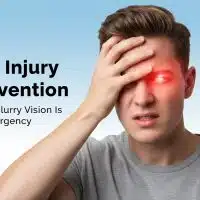
- E – Eyes: sudden blurred, double or lost vision in one or both eyes
- F – Face: one side of the face droops; ask the person to smile
- A – Arms: weakness or numbness in one arm or leg; ask them to raise both arms
- S – Speech: slurred speech, or difficulty speaking or understanding
- T – Time: call for emergency help immediately and note the time symptoms started
Other warning signs include a sudden, severe headache unlike any before, and sudden confusion.
Even if symptoms go away within minutes, seek help straight away. This may be a transient ischaemic attack (TIA or “mini-stroke”), which is often a warning that a major stroke may follow.
Why Timing Matters
For the most common type of stroke, acute ischaemic stroke, caused by a blood clot, a clot-dissolving treatment called thrombolysis can restore blood flow to the brain. Treatment is highly time-dependent, it works best when given as early as possible and can only be given within a limited window. Although modern stroke protocols also allow selected patients to receive reperfusion treatment beyond the traditional early window when specific clinical and imaging criteria are fulfilled.
Every minute spent waiting at home, hoping symptoms will pass, reduces the chance that this treatment can be used.
Who Is at Higher Risk?
Stroke risk is higher for people with high blood pressure, diabetes, high cholesterol, atrial fibrillation or other heart conditions, untreated sleep apnoea, a previous stroke or TIA, or who smoke, are over 55, or have a family history of stroke. Long flights, dehydration and changes in routine while travelling can add to the risk for visitors.
Why BIMC Hospital Nusa Dua Is Ready
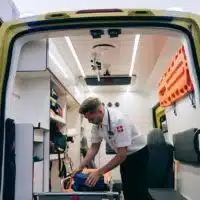
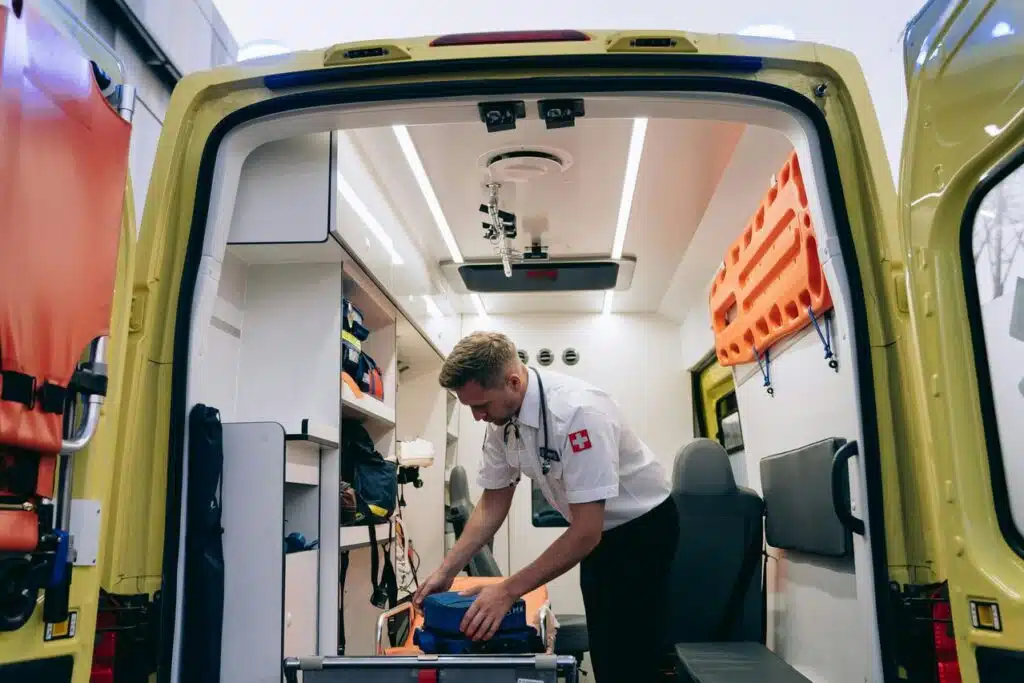
24/7 emergency response. Our Emergency and Medical Centre is open around the clock, with resuscitation beds and dedicated treatment rooms. Our fully equipped ambulances carry GPS and radios so the doctor and nurse on board stay in direct contact with the Emergency Centre, and the team is prepared before the patient arrives.
Rapid brain imaging on site. Our 128-slice CT scanner and 1.5 Tesla MRI allow doctors to quickly identify the type of stroke and decide on treatment.
Stroke-trained specialists. Our neurologists provide acute stroke management. The team is led in stroke care by dr. Deddy Andaka, M.Biomed, Sp.N, FINR, FINA, who holds international fellowships in interventional neurology and stroke (India) and interventional neuroradiology (University Hospital of Zurich), alongside dr. Gracia Meliana Tanoyo, M.Biomed, Sp.N and dr. Made Sebastian Dwi Putra Hardika, Sp.Neuro.
Intensive care and recovery. Our Intensive Care Unit is made up entirely of single ICU beds for close monitoring. After the acute phase, our Medical Rehabilitation team, including physiatrist dr. Adhitya, Sp.KFR, helps patients regain movement and independence.
International standards and support. BIMC Siloam Nusa Dua is accredited by both ACHSI and LAMPKRS, works with international insurers, and can coordinate medical evacuation if a patient needs to return home.
Act Now
If you think someone is having a stroke, don’t wait and don’t drive yourself. Call BIMC Hospital Nusa Dua‘s 24-hour emergency line on +62 361 3001122 or local emergency services immediately.
For follow-up consultations, stroke risk assessments or check-ups with our neurologists, email our Concierge team at concierge@bimcbali.com.