Dislocations, why You Shouldn’t Try to Pop a Joint Back Yourself – When you experience a joint dislocation, the immediate pain and visible deformity can trigger an overwhelming urge to fix the problem yourself. You might remember seeing someone in a movie forcefully pop a shoulder back into place. However, attempting to perform your own joint dislocation treatment can lead to devastating complications that far exceed the original injury.
Joint dislocations occur when the bones that form a joint become completely separated from their normal anatomical position. Unlike a sprain or strain, a dislocation represents a complete loss of contact between joint surfaces, often accompanied by significant damage to surrounding ligaments, muscles, and sometimes nerves or blood vessels.
Understanding Common Joint Dislocations
Shoulder Dislocations
Your shoulder joint experiences dislocations more frequently than any other joint in the body due to its remarkable range of motion. The ball-and-socket design that provides exceptional mobility also creates inherent instability. Anterior dislocations, where the upper arm bone moves forward out of the socket, account for approximately 95% of all shoulder dislocations.
Sports activities, falls, and sudden impacts commonly cause these injuries. You’ll typically notice severe pain, inability to move the arm, and a visible change in shoulder contour when a dislocation occurs.
Finger Joint Dislocations
Finger dislocations frequently occur during athletic activities, particularly basketball, volleyball, and football. These injuries typically affect the proximal interphalangeal joint, creating obvious deformity and immediate pain. While finger dislocations might appear less serious than larger joint injuries, they require careful medical attention to prevent long-term complications.
Hip Dislocations
Hip dislocations represent medical emergencies requiring immediate professional intervention. The powerful muscles surrounding your hip joint mean that tremendous force is necessary to cause a dislocation, often resulting from motor vehicle accidents or high-impact falls. Posterior dislocations, where the femur moves backward out of the socket, occur most commonly.
The Dangerous Reality of Self-Treatment
Nerve and Blood Vessel Damage
When you attempt to manipulate a dislocated joint yourself, you risk causing irreversible damage to the delicate nerves and blood vessels that run close to joint structures. Improper manipulation can compress or tear these vital structures, potentially leading to permanent numbness, weakness, or circulation problems.
The axillary nerve, which controls shoulder muscle function, sits particularly close to the shoulder joint. Aggressive manipulation attempts can damage this nerve, resulting in lasting weakness and sensory loss.
Fracture Complications
Many dislocations occur alongside fractures that may not be immediately apparent. When you try to force a joint back into position, you can worsen existing fractures or create new ones. These fracture-dislocations require specialized surgical repair and cannot be adequately addressed through simple manipulation.
Increased Soft Tissue Damage
Your attempts at self-treatment often involve excessive force applied in incorrect directions. This misguided manipulation can tear additional ligaments, damage joint cartilage, and create more extensive soft tissue injuries than the original trauma caused.
Joint Instability
Improper reduction techniques can fail to restore normal joint anatomy, leading to chronic instability and recurrent dislocations. Professional medical treatment ensures that joints return to their proper anatomical position and that supporting structures heal correctly.
Proper First Aid for Joint Dislocations
Immediate Response Steps
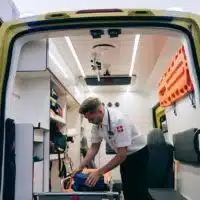
Your first priority should always be seeking professional medical attention. While waiting for emergency services or transport to a medical facility, you can take several important steps to minimize additional damage.
Immobilize the affected joint in the position you found it. Avoid any attempts to move or straighten the joint, as this can worsen the injury. Use a sling for arm injuries or splinting materials for other joints to prevent movement during transport.
Pain and Swelling Management
Apply ice wrapped in a thin cloth to the injured area for 15-20 minutes at a time. This helps control pain and reduces swelling without risking tissue damage from direct ice contact. Never apply ice directly to the skin or use it for extended periods.
Monitor circulation below the injury site by checking skin color, temperature, and sensation. If you notice increasing numbness, tingling, or color changes, inform medical personnel immediately.
What Not to Do
Resist the temptation to give pain medication beyond what’s absolutely necessary, as this can mask important symptoms that medical professionals need to assess. Avoid applying heat to the injury, as this can increase swelling and bleeding.
Never attempt to manipulate the joint or allow others without medical training to do so. Even well-meaning friends or family members can cause significant additional damage through improper handling.
Professional Treatment at Medical Facilities
Medical professionals possess the training, experience, and equipment necessary to safely perform joint dislocation treatment. They begin with comprehensive imaging studies to identify any associated fractures or complications before attempting reduction.
Proper reduction techniques require specific knowledge of joint anatomy and mechanics. Medical professionals use controlled traction, appropriate sedation, and precise manipulation techniques to restore normal joint position while minimizing additional tissue damage.
Post-reduction care includes immobilization protocols, rehabilitation planning, and monitoring for complications that might develop hours or days after the initial injury.
Secure Expert Care at BIMC Nusa Dua
When joint injuries occur, you need immediate access to experienced orthopedic specialists who understand the complexities of joint dislocation treatment. BIMC Nusa Dua Hospital provides high-quality healthcare services that meet international standards.
Their 24-hour medical and emergency center ensures you receive prompt, professional care when joint injuries occur. The hospital features experienced orthopedic surgeons who specialize in treating complex joint injuries and understand the critical importance of proper reduction techniques.
Don’t risk permanent damage by attempting self-treatment of joint dislocations. Contact BIMC Nusa Dua immediately at +62 361-3000-911 for emergency care, email admin.nd@gmail.com, or visit their facility for comprehensive evaluation and professional treatment that protects your long-term joint health and mobility.