What to Do in Case of an Earthquake or Natural Disaster in Bali – Bali is a paradise. You come here for the beaches, the culture, and the relaxation. But it is also part of the Pacific Ring of Fire. This means earthquakes and volcanic activity are real possibilities. It is not something to be scared of, but it is something to be ready for. A little preparation goes a long way.
1. Prepare Before You Go (or Right Now)
You do not need to be a survivalist to be safe. You just need a plan. If you are already in Bali or planning your trip, take twenty minutes to sort these basics out.
Pack a “Go-Bag” Keep a small bag near your door or bed. If you have to leave your hotel or villa quickly, you will not have time to pack.
- Documents: Copies of your passport and insurance policy.
- Cash: ATMs might not work if the power goes out. Keep some Indonesian Rupiah (IDR) handy.
- Medication: A supply of any daily prescription you need.
- Water and Snacks: A bottle of water and an energy bar can make a big difference if you are stuck somewhere for a few hours.
- Power Bank: Your phone is your lifeline. Make sure you can charge it.
Download Essential Apps Your phone can warn you before things get bad.
- Info BMKG: This is the official Indonesian app for weather and earthquakes. It sends alerts if there is a tremor or tsunami warning.
- Offline Maps: Download the map of Bali on Google Maps so it works without data.
2. When the Ground Shakes: Drop, Cover, and Hold On
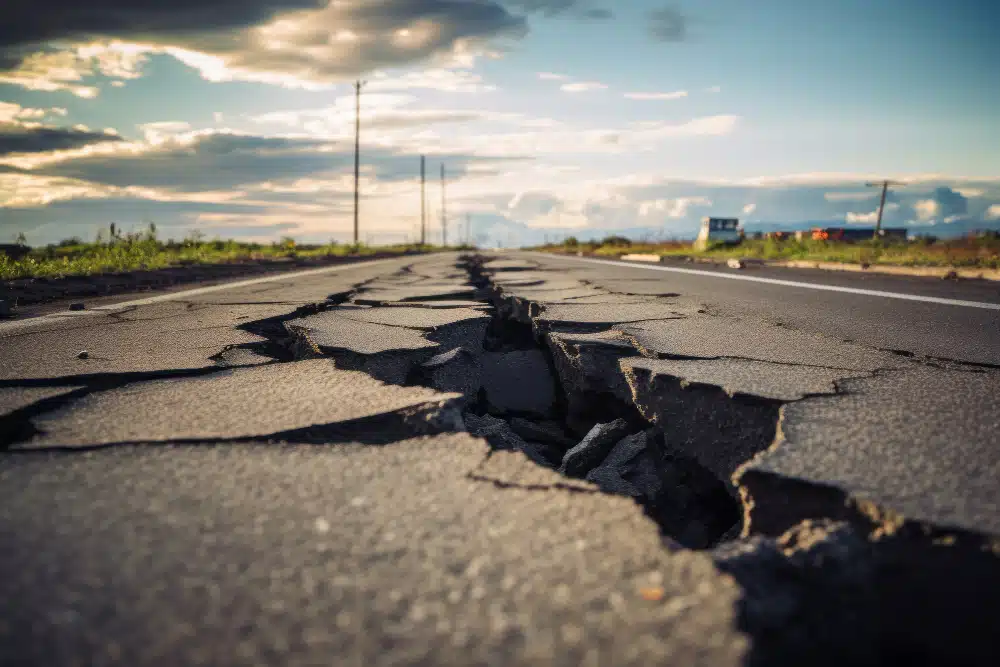
Earthquakes can be sudden and violent. Your instinct might be to run outside, but that is often the wrong move. Most injuries happen from falling debris like glass or roof tiles, not from the building collapsing.
If You Are Inside:
- Drop to your hands and knees. This prevents the quake from knocking you over.
- Cover your head and neck. Crawl under a sturdy table or desk. If there is no table, move to an interior wall away from windows and glass doors.
- Hold On to the table leg. If the floor moves, the table moves with it. You need to stay covered.
Wait until the shaking stops completely. Do not use the elevators. If you are in a hotel, stay inside until it is safe to move.
If You Are Outside:
- Move to a clear area. Stay away from buildings, trees, streetlights, and power lines.
- If you are driving, pull over to a safe spot and stop. Stay inside the car. It offers good protection from falling objects.
3. The Tsunami Threat: Know When to Move
Tsunamis are rare, but in coastal areas like Kuta, Sanur, or Tanjung Benoa, you need to know the drill.
Listen for the Siren The government has installed sirens in high-risk zones. If you hear a long, continuous wail for three minutes, that is your signal. Do not wait to check the news. Move immediately.
Watch for Natural Signs Technology can fail. Trust your senses. If you feel a long, strong earthquake that makes it hard to stand, or if you see the ocean water recede quickly and expose the reef, a tsunami might be coming.
Vertical Evacuation is Key In areas like Kuta, traffic can be gridlocked. You might not be able to drive inland fast enough. The solution is vertical evacuation.
- Look for a tall, reinforced concrete building, like a large hotel.
- Go to the third floor or higher.
- Many hotels in Kuta are designated evacuation points. They are built to withstand the waves. Do not try to outrun the water on the street if you are already in the danger zone.
4. Immediate Aftermath and First Aid
Once the danger has passed, check yourself and those around you.
- Check for Injuries: Look for bleeding or broken bones.
- Stop Bleeding: Apply direct pressure to any cuts.
- Do Not Move Seriously Injured People: Unless they are in immediate danger, moving someone with a spinal injury can cause more harm.
- Wear Shoes: There will be broken glass and debris everywhere. Protect your feet.
If you or your family are injured, you need professional medical help fast. The local clinics might be overwhelmed or closed. You need a facility that is open 24/7 and ready for trauma.
5. Where to Go for Help: BIMC Hospital – Kuta
In a crisis, you want reliability. You want doctors who speak English and follow international protocols. This is where BIMC Hospital – Kuta becomes your most important contact.
Located strategically on the Bypass Ngurah Rai, BIMC Hospital – Kuta is accessible from the main tourist hubs. It is not just a hospital; it is a designated 24-hour Accident & Emergency Centre specifically prepared for trauma.
Why BIMC Hospital – Kuta is Your Best Option:
- Trauma Expertise: BIMC Hospital – Kuta have a dedicated team of surgeons and specialists on standby. Whether it is a fracture, a head injury, or a severe cut, they have the equipment and skills to handle it immediately.
- International Standards: BIMC Hospital – Kuta is accredited by the Australian Council on Healthcare Standards (ACHS). This means you get a level of care comparable to what you would expect at home in Australia or Europe. You do not have to worry about hygiene or outdated practices.
- Advanced Facilities: They have their own CT Scan and digital X-ray units on-site. Quick diagnosis saves lives, especially with internal injuries.
- Ambulance Service: If you cannot get to them, they can come to you. They operate fully equipped ambulances with GPS to navigate Bali’s tricky roads. They even have first-response motorbikes to cut through traffic jams if necessary.
Key Contacts for BIMC Hospital Kuta:
BIMC Hospital Kuta
Jl. Bypass Ngurah Rai No. 100X, Kuta, Badung, Bali 80361
Emergency: +62 361 761 263
Call Centre: +62 811 960 8500
Bali is safe for the vast majority of visitors. But nature is unpredictable. By knowing how to react and knowing exactly where to go for help, you take the fear out of the equation. Stay safe, stay prepared, and enjoy your holiday.
© 2025 BIMC Hospital – Kuta. All rights reserved.