Acute Coronary Syndrome: Early Detection That Saves Lives – You are on vacation in Bali. You feel a strange pressure in your chest. It’s not exactly pain, just a heaviness. You tell yourself it is probably just indigestion or heartburn from the spicy food. You decide to lie down and wait for it to pass.
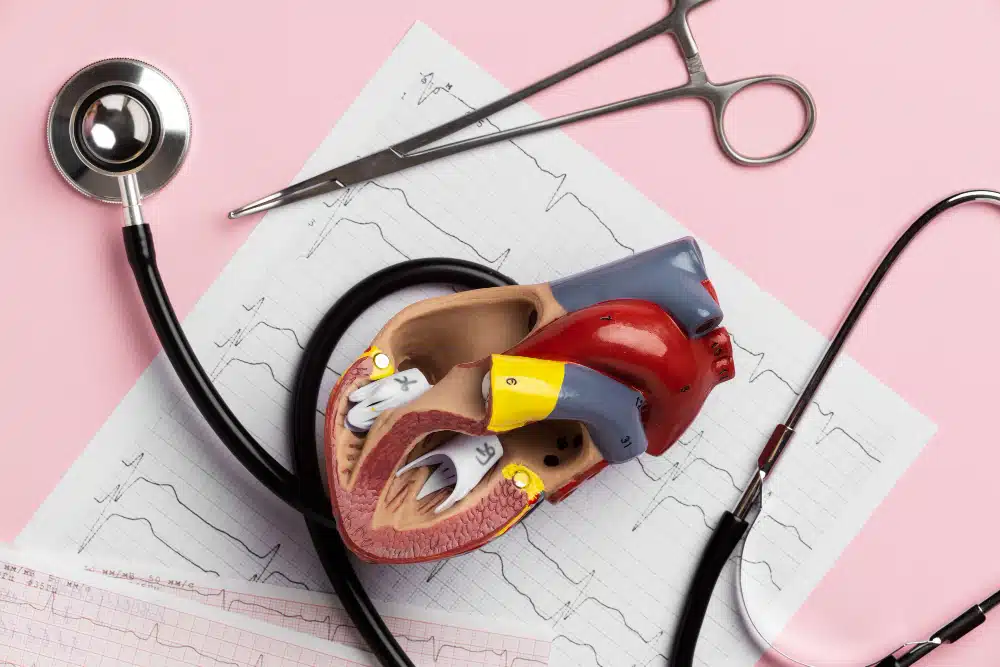
That feeling might be Acute Coronary Syndrome (ACS). This is a medical term that covers everything from unstable angina to a full-blown heart attack. It happens when blood flow to your heart gets blocked suddenly. When that blood flow stops, heart muscle starts to die.
Most people think a heart attack looks like it does in the movies. They expect to clutch their chest and collapse. But real life is rarely that dramatic. The signs are often subtle, and they can easily be ignored until it is too late.
Here is what you need to know to save your life or the life of someone you love.
Why the Clock Is Your Biggest Enemy
Time is not just money in a cardiac emergency. Time is muscle.
When a coronary artery gets blocked, the part of the heart it feeds starts to starve for oxygen. If you open that artery quickly, the damage is often reversible. But if you wait, the tissue dies permanently.
Doctors call the first 60 minutes after symptoms start the “Golden Hour.” This is your window of opportunity. Research shows that nearly half of all deaths from heart attacks happen within this first hour.
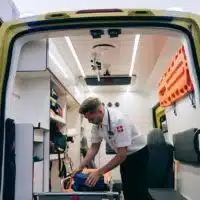
The danger isn’t just the heart muscle dying. The real killer in the early stages is often an electrical problem. Your heart can go into a chaotic rhythm called ventricular fibrillation. If that happens, your heart stops pumping blood entirely. The only cure is a defibrillator shock. You won’t have one in your hotel room, but the ambulance team will.
Every minute you delay calling for help increases the risk of permanent heart failure or death. If you wait just 30 to 45 minutes too long, your heart function begins to drop significantly.
Spotting the Signs (Even the Quiet Ones)
You cannot rely on severe pain as your only warning signal. You need to look for a cluster of symptoms. If you notice these happening together, you need to act.
The Classic Signals
- Chest Discomfort: It often feels like squeezing, fullness, or a heavy weight sitting on your chest. It might come and go, or it might stay constant.
- Radiation: The discomfort often travels. It can move to your left arm, but it can also go up into your neck, jaw, or even to your back between your shoulder blades.
- Shortness of Breath: You might feel like you just ran a sprint, even though you are sitting still.
The “Silent” Signals Some people do not get chest pain at all. This is especially common in women, older adults, and people with diabetes. You need to watch out for these sneakier symptoms:
- Cold Sweat: breaking out in a cold, clammy sweat for no reason is a major red flag.
- Nausea: You might feel sick to your stomach or actually vomit.
- Extreme Fatigue: A sudden wave of exhaustion that makes it hard to lift your arms or walk across the room.
- Lightheadedness: You might feel dizzy or faint.
The “It’s Just Indigestion” Trap
This is where many tourists in Bali get into trouble. You are eating different foods and perhaps drinking more alcohol than usual. It is easy to blame your symptoms on “Bali Belly” or acid reflux.
Here is a simple rule. If your “indigestion” comes with a cold sweat, shortness of breath, or a weird feeling in your jaw or arm, do not take an antacid. Assume it is your heart.
It is much better to go to the hospital and find out you just need an antacid than to stay at your hotel and suffer a massive heart attack.
Your Immediate Action Plan
If you suspect you or someone else is having ACS, follow these steps immediately. Do not second-guess yourself.
- Stop Activity: Sit down or lie down. Strain makes your heart work harder. You want to reduce its oxygen demand immediately.
- Call for Help: Do not drive yourself to the hospital. If your heart stops while you are driving, you become a danger to yourself and everyone on the road. You need professional transport.
- Stay Calm: Panic releases adrenaline, which makes your heart beat faster. Try to breathe slowly while you wait for help.
Why BIMC Hospital – Kuta Is Your Safest Bet
When you are in Kuta, Legian, or Seminyak, you have a specific logistical challenge: traffic. The roads can be gridlocked. This is why your choice of hospital matters immensely.
BIMC Hospital – Kuta is strategically located on the Bypass Ngurah Rai. It is designed specifically to handle emergencies for international visitors and residents.
Stabilize and Treat
BIMC Hospital – Kuta is a Centre of Excellence for Accident & Emergency. Their team is trained in Advanced Cardiac Life Support (ACLS) and follows international protocols.
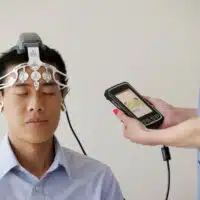
BIMC Hospital – Kuta have the critical diagnostic tools ready 24/7. This includes ECGs to check your heart rhythm, a laboratory for cardiac enzyme tests, and Echocardiography to look at your heart muscle function.
Removing the Cost Barrier
Financial worry often delays treatment. You might hesitate to call an ambulance because you are worried about the bill. BIMC Hospital – Kuta works with a vast network of international insurance providers and offers cashless admission for many policies.
Don’t let your wallet dictate your health. Your insurance is there for this exact moment.
How to Reach BIMC Hospital – Kuta
Save these details on your phone right now. You do not want to be searching for a number when your hands are shaking.
BIMC Hospital – Kuta
Jl. Bypass Ngurah Rai No. 100X, Kuta, Badung, Bali 80361
Emergency: +62 361 761 263
Emergency (WhatsApp Number) : +62 812 386 5548
Call Centre: +62 811 960 8500
https://bimcbali.com/bimc-hospital-kuta
Available 24/7:
- Emergency Department with CT Scan Imaging
- Neurosurgery Services
- Acute Stroke Treatment
- Intensive Care Unit
- Rehabilitation Services
- 24-Hour Ambulance Response with GPS Tracking
Trust your instincts. If something feels wrong in your chest, make the call. The team at BIMC Hospital – Kuta is ready to catch you.
© 2025 BIMC Hospital – Kuta. All rights reserved.