5 Life-Saving Skills in Bali Every Visitor and Local Should Know – Bali’s beaches, temples, and busy streets come with real risks that rarely make the travel brochures. Traffic accidents, ocean currents, and animal bites send people to the emergency room every day. That is why learning a few basic life-saving skills in Bali matters so much.
Why Life-Saving Skills in Bali Matter More Than You Think
Bali draws millions of visitors into a tropical setting most people are not used to. Scooters weave through narrow lanes. Ocean currents can be stronger than they look. Street dogs and temple monkeys are part of daily life. None of that has to ruin your trip, but it does mean basic first aid is more useful here than it might be back home, and it costs nothing to learn.
5 Life-Saving Skills in Bali You Should Learn Today
1. Hands-Only CPR for Cardiac Arrest
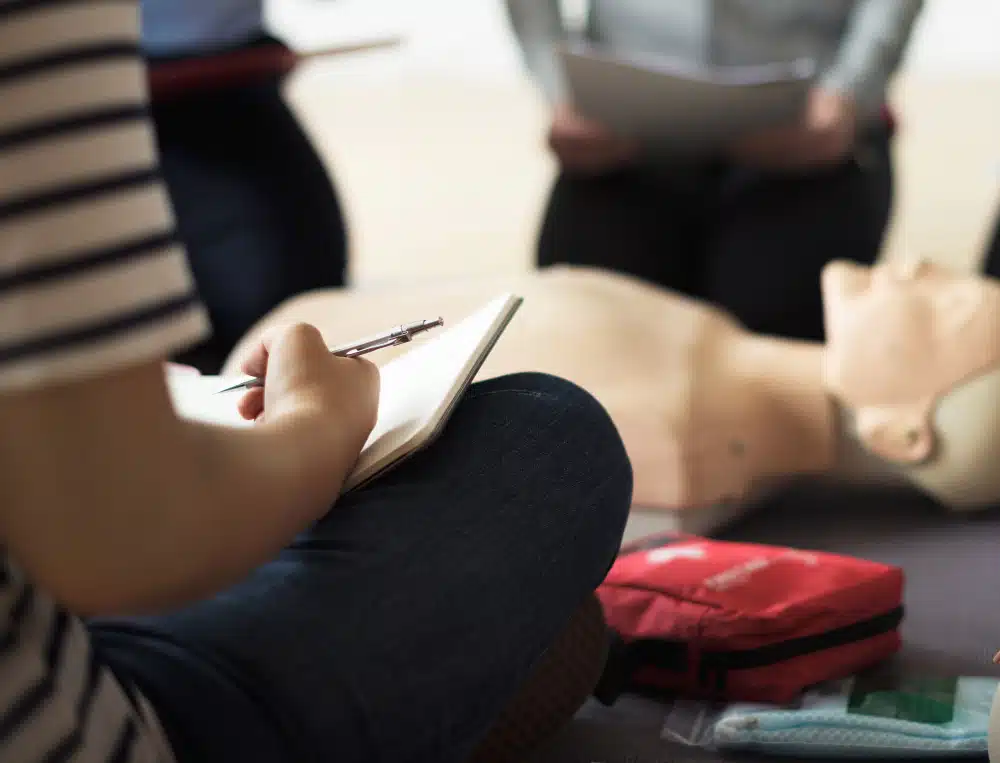
Cardiac arrest can happen to anyone, including someone who seems perfectly healthy, and it can also follow a near-drowning If you see a teen or adult suddenly collapse and stop responding, call for emergency help first. Then push hard and fast in the center of the chest, about 100 to 120 times a minute, and keep going until help arrives or the person starts breathing.
To do CPR, you do not need formal certification to start, but you have to know the technique. Every minute of delay lowers a person’s chance of survival, so starting CPR fast matters more than doing it perfectly.
2. Stopping Severe Bleeding After an Accident
Traffic accidents are one of the most common reasons tourists and locals end up in a Bali emergency room, and severe bleeding can turn life-threatening within minutes.
- First, apply firm, direct pressure to the wound with whatever clean cloth is available.
- If pressure alone does not control severe bleeding, pack the wound with gauze or cloth.
- For severe bleeding from a limb that will not stop, apply a tourniquet above the injury.
- Do not remove the cloth to check the wound, since this can restart the bleeding.
- Get the person to emergency care as quickly as you can.
3. Responding to a Choking Emergency
Choking can happen at a beach barbecue, a warung dinner, or a hotel breakfast, and it can turn dangerous within a couple of minutes.
- First, give five firm back blows between the shoulder blades.
- If the object does not come loose, follow with five abdominal thrusts, also known as the Heimlich maneuver, just above the navel.
- Keep alternating between the two until the airway clears or help arrives.
- If the person can still cough forcefully, let them keep coughing rather than stepping in right away.
4. Recognizing Drowning and Escaping a Rip Current
Bali’s beaches are beautiful, but many have strong rip currents that can pull even confident swimmers away from shore. Real drowning rarely looks like the splashing and shouting shown in movies. Their head sits low in the water, with their mouth barely above the surface, and they cannot call out for help. If you or someone nearby gets caught in a rip current, do not fight it. Swim parallel to the shore until you are clear of the current, then angle back toward the beach. Wave your arms to draw attention if you cannot make progress.
5. What to Do After an Animal Bite
Stray dogs and temple monkeys are part of everyday scenery in Bali, and rabies remains present on the island. Once symptoms appear, rabies is almost always fatal, but it is entirely preventable with fast action.
- Wash any bite or scratch right away with soap and running water for a full 15 minutes, even if the wound looks small.
- Go to a medical facility immediately for possible rabies vaccination.
When to Call for Emergency Help in Bali
In any of these situations, calling for help early matters as much as the first aid itself. Save a local emergency number in your phone before you need it. Know the name and address of the villa or hotel where you are staying. Do not hesitate out of politeness or uncertainty. Doctors would always rather see someone who turned out to be fine than treat someone who waited too long.
Your Medical Partner in Bali: BIMC Hospital Kuta
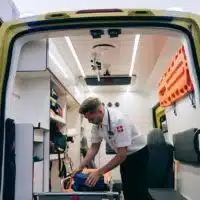
Practicing life-saving skills in Bali buys precious time, but professional care is what turns a frightening moment into a full recovery. Our 24-hour Accident and Emergency Centre at BIMC Hospital Kuta is built for exactly these situations. Our team handles traffic injuries and severe bleeding, choking, near-drowning, and possible rabies exposure every day. Fully equipped ambulances stand by around the clock, and specialists, including a cardiologist, are ready to help. Our doctors and nurses speak fluent English, so you can explain what happened clearly, without the added stress of a language barrier.
We also stock rabies vaccination and keep our in-house laboratory and radiology department running day and night. BIMC Hospital Kuta holds international accreditation from the Australian Council on Healthcare Standards, reflecting the same safety standards you would expect at home.
Learning these five life-saving skills in Bali will not prevent every accident, but it can change what happens in the minutes that matter most. If you or someone with you needs emergency care, call our line right away, or come straight to BIMC Hospital Kuta, where our team is ready around the clock.
- Location: Jalan Bypass Ngurah Rai Number 100X, Kuta, Bali
- 24 Hour Emergency Call: (+62 361) 761 263
- WhatsApp (Text Only): +62 811 3960 8500
© 2026 BIMC Hospital – Kuta. All rights reserved