When Paradise Turns Perilous
Bali’s pristine waters offer world-class diving and surfing experiences. Yet beneath this tropical paradise lies a stark reality: aquatic emergencies can transform a dream vacation into a life-threatening situation within seconds.
Why Emergency Recognition Saves Lives
Water sports emergencies demand immediate recognition and response. Unlike land-based accidents, aquatic incidents occur in environments that can quickly become hostile to human survival.
Research shows diving injury symptoms occur within one hour in 42% of cases. For surfing spinal injuries, the initial moments following impact determine whether temporary paralysis becomes permanent disability.
Critical Diving Emergencies
Decompression Sickness
Type I manifests as deep, boring joint pain, particularly in shoulders and elbows. Skin symptoms include marbling, itching, and rash.
Type II presents serious neurological symptoms: paralysis, weakness, numbness, difficulty urinating, and loss of bowel control. Severe cases include seizures, slurred speech, vision loss, and coma.
Arterial Gas Embolism
This extremely serious emergency features sudden onset symptoms. Loss of consciousness remains most common, though bloody mouth froth and convulsions may occur.
Any suspected arterial gas embolism requires immediate medical evacuation.
Pulmonary Problems
Sharp, one-sided chest pain with difficulty breathing may indicate collapsed lung. Associated symptoms include rapid heart rate, persistent cough, and bluish skin.
Critical Surfing Emergencies
Spinal Cord Injuries
Research shows 96% of cervical spine fractures occur in hollow waves breaking over steep sea floors. Males over 40 with large builds face elevated risk.
Any surf accident involving sea floor impact should be treated as potential spinal injury. Victims must remain completely still.
Head Trauma
Surfboard impacts and reef collisions cause injuries ranging from concussions to severe brain trauma. Warning signs include severe headache, dizziness, confusion, nausea, and unconsciousness.
Severe Lacerations
Surfboard fins, reefs, and board rails cause deep lacerations. Deep cuts involving major vessels need emergency intervention.
Excessive bleeding that repeatedly soaks through bandages requires immediate medical attention.
Near-Drowning
Signs include cold skin, blue discoloration, persistent cough, shortness of breath, and altered mental status. Delayed complications can develop hours or days later.
Marine Life Emergencies
Jellyfish Stings
Box jellyfish stings represent medical emergencies requiring immediate vinegar application and evacuation. Severe reactions include breathing difficulty, rapid heart rate, and systemic allergic responses.
Venomous Animals
Sea snake bites, stonefish stings, and cone shell encounters cause rapid symptom onset including paralysis, respiratory failure, and cardiovascular collapse.
Coral Infections
Tropical marine bacteria rapidly colonize coral cuts. Infection signs include red streaking from wounds, fever, swollen lymph nodes, and pus discharge.
Emergency Response Protocols
Water Rescue
Personal safety must never be compromised during rescue attempts. Untrained individuals should focus on calling help and providing flotation without entering dangerous conditions.
Spinal Management
Never move suspected spinal injury victims without proper training and equipment.
Drowning CPR
Start with five rescue breaths before beginning 30:2 compression ratios. Be prepared for vomiting and turn the victim’s head to clear airways.
Bleeding Control
Apply immediate direct pressure and elevation above heart level. Surfboard leashes can serve as improvised tourniquets for life-threatening bleeding.
Emergency Communication
Remote locations may require satellite devices or marine radios. Know local emergency numbers and maintain multiple communication backup plans.
Medical evacuation costs can reach tens of thousands of dollars. Comprehensive travel insurance covering evacuation is essential.
Emergency Preparedness
Essential Equipment
- Satellite beacons for remote locations
- Waterproof first aid kits with marine-specific supplies
- Emergency oxygen for diving incidents
- Vinegar for jellyfish stings
Training Requirements
All serious water sports participants should complete CPR, rescue, and first aid training. Never exceed training and experience limits, particularly in remote locations.
Medical Information
Store blood type, allergies, and emergency contacts in accessible formats. Information should be accessible even when devices are locked or damaged.
Your Trusted Emergency Medical Partner
When exploring Indonesia, especially Bali’s incredible diving and surfing destinations, BIMC Hospital Kuta provides essential emergency medical care specifically equipped for aquatic accidents.
24-Hour Emergency Services
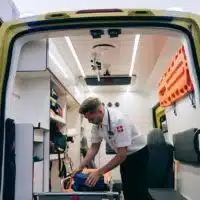
Our emergency department maintains physicians trained in diving medicine and trauma management. We provide immediate oxygen therapy, advanced airway management, and comprehensive trauma care.
Specialized Aquatic Emergency Care
BIMC Hospital Kuta offers emergency spinal immobilization, hemorrhage control, marine envenomation treatment, and drowning resuscitation protocols.
Our facility maintains specialized equipment including emergency oxygen, spinal boards, and marine-specific antidotes essential for water emergencies.
Emergency Coordination
We coordinate with specialized facilities for complex cases requiring advanced treatment. Our team understands the critical nature of diving and surfing emergencies.
Available 24/7:
- Emergency Department
- Trauma Response Team
- Emergency Evacuation Coordination
Experience confidence knowing expert emergency care for diving and surfing accidents is always available during your Indonesian water sports adventures.
BIMC Hospital Kuta
Jl. Bypass Ngurah Rai No. 100X, Kuta, Badung, Bali 80361
Call Centre 24 Hours +62 811 960 8500
Emergency Call 24 Hours: +62 361 761 263/ +62 812 386 5548 (WA)
https://bimcbali.com/bimc-hospital-kuta
Service Hours:
- Emergency Department: 24 hours daily
- General Consultations: 8:00 AM – 8:00 PM daily
- Specialist Appointments: Monday-Friday 8:00 AM – 5:00 PM
BIMC HOSPITAL KUTA International Standard Healthcare in Bali
© 2025 BIMC Hospital Kuta. All rights reserved.