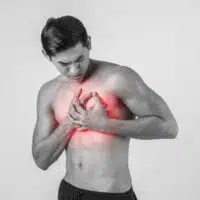
Emergency Neurology: Recognizing Early Warning Signs of Stroke – When we think of medical emergencies in Bali, we often worry about surfing accidents or “Bali Belly.” But there is a silent, sudden medical event that claims lives and independence faster than almost any other condition: Stroke.
Often called a “brain attack,” a stroke occurs when blood flow to a part of your brain is cut off. Without the oxygen carried by blood, brain cells begin to die within minutes. In the medical world, we operate on a single, non-negotiable principle: “Time is Brain.”
Research shows that for every minute a stroke goes untreated, the average patient loses 1.9 million neurons, 14 billion synapses, and over 12 kilometers of nerve fibers. Because of this quick loss of brain function, identifying the early warning signs is crucial for survival rather than just knowledge.
Why This Matters Now
Stroke does not discriminate. While risk typically increases with age, the high-stress lifestyles, dietary habits, and undetected hypertension prevalent in modern life are driving stroke rates up in younger populations. In Indonesia, stroke remains a leading cause of death and disability, with alarmingly high rates of patients arriving at hospitals too late for effective treatment.
For residents and travelers in Kuta, the stakes are even higher. The unique combination of tropical heat, holiday lifestyle changes, and local traffic conditions creates a “perfect storm” for delayed treatment. The difference between a full recovery and permanent disability often comes down to how quickly you can recognize the signs and navigate the “Golden Hour” to reach our Emergency Room.
The Warning Signs: BE FAST
Symptoms of stroke appear suddenly and typically affect one side of the body. You might feel fine one minute and struggle to speak the next. Unlike heat exhaustion or dehydration, which make you feel generally weak all over, stroke is targets specific functions.
To help you remember the signs, we use the updated international protocol BE FAST. If you notice ANY of these signs, do not wait to see if they improve.
B – Balance
Sudden loss of balance or coordination.
- Is the person stumbling or unable to walk straight?
- Are they experiencing sudden, severe dizziness or a spinning sensation that isn’t related to heat or dehydration?
- The Test: Ask them to walk in a straight line. Watch for leaning or falling to one side.
E – Eyes
Sudden vision changes.
- This can be blurred vision, double vision, or a sudden “blackout” in one or both eyes.
- Unlike simple eye strain, this happens instantly and is often painless.
F – Face
Face drooping.
- Does one side of the face look heavy, numb, or droopy?
- The Test: Ask the person to smile. Is the smile uneven or lopsided?
A – Arm
Arm weakness.
- Is one arm weak or numb? Does it feel “heavy”?
- The Test: Ask the person to raise both arms. Does one arm drift downward or feel impossible to lift?
S – Speech
Speech difficulty.
- Is speech slurred? Are they unable to speak or hard to understand? Are they confused by simple words?
- The Test: Ask the person to repeat a simple sentence, like “The sky is blue.” Can they do it correctly?
T – Time
Time to call for help.
- If the person shows any of these symptoms, even if the symptoms go away (a sign of a Transient Ischemic Attack or “Mini-Stroke”), call BIMC Emergency immediately.
The Silent Symptoms You Might Miss
While BE FAST covers the most common signs, stroke can sometimes be more subtle. In the context of a Bali holiday, it is easy to dismiss these as fatigue or illness, but you must be vigilant:
- Sudden, severe headache: Often described as “the worst headache of my life” with no known cause. This can signal a hemorrhagic stroke (bleeding in the brain).
- Sudden confusion: Trouble understanding simple statements or sudden confusion about time and place.
- Numbness: Specifically tingling or loss of sensation on just one side of the body (leg, arm, or face).
Critical Action Plan: What To Do (And What NOT To Do)
Your actions in the first few minutes determine the patient’s future.
What You Should Do:
- Note the Time: Look at your watch. Our medical team needs to know exactly when symptoms started to determine if “clot-busting” medication (tPA) can be used. This treatment generally has a 4.5-hour window.
- Call BIMC Hospital – Kuta Emergency: Do not guess. Let our dispatchers know you suspect a “stroke.” This allows us to clear the CT scanner and prep the stroke team before you arrive.
- Keep the Person Calm: Have them lie down on their side with their head slightly elevated to promote blood flow and prevent choking.
What You Must NEVER Do:
- DO NOT give them Aspirin: You cannot know if the stroke is caused by a clot (ischemic) or a bleed (hemorrhagic). If it is a bleed, aspirin will thin the blood and make the bleeding significantly worse, potentially turning a survivable stroke into a fatal one. Only a CT scan can determine this.
- DO NOT give them food or water: Stroke often paralyzes the muscles used for swallowing (dysphagia). Giving water can cause the person to choke or inhale liquid into their lungs, leading to aspiration pneumonia.
- DO NOT “sleep it off”: Damage happens every minute. Sleep will not help; it only wastes the “Golden Hour” for treatment.
- DO NOT drive yourself: If you are having symptoms, you could lose consciousness behind the wheel.
Your Partner in Emergency Care
At BIMC Hospital – Kuta, we have engineered our facility to handle the critical demands of stroke care with international precision. As a facility accredited by the Australian Council on Healthcare Standards (ACHS), we adhere to rigorous safety and clinical protocols.
Prevention Starts Today
Many strokes are preventable. High blood pressure, high cholesterol, and diabetes are major silent risk factors. Our comprehensive medical check-up packages, including lipid profiling, ECG, and blood glucose monitoring, can help you identify these risks before they become emergencies.
BIMC Hospital – Kuta
Jl. Bypass Ngurah Rai No. 100X, Kuta, Badung, Bali 80361
Emergency 24/7: +62 361 761 263
WhatsApp (Emergency): +62 812 386 5548
Call Centre: +62 811 960 8500
https://bimcbali.com/bimc-hospital-kuta
Available 24/7:
- Emergency & Trauma Centre
- CT Scan & Radiology
- Laboratory Services
- Ambulance Dispatch
Your health is your most valuable asset. By recognizing the signs and acting fast, you become the first line of defense in saving a life.
© 2025 BIMC Hospital – Kuta. All rights reserved.