Every Second Matters: How to Act Fast in a Cardiac Emergency – A cardiac emergency, such as a heart attack or sudden cardiac arrest, can happen without warning. Quick and informed action during the first few minutes can be lifesaving. Knowing how to respond effectively ensures that you, your loved ones, or even bystanders receive the best possible chance of survival before emergency services arrive.
Recognize the Warning Signs
Cardiac emergencies may include symptoms such as:
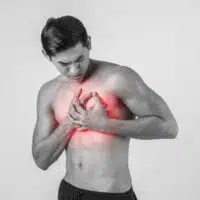
- Sudden chest pain or pressure that can spread to the arms, neck, jaw, or back
- Shortness of breath
- Cold sweat, nausea, or lightheadedness
- Sudden loss of responsiveness or collapse
- No normal breathing, or only gasping for air
If you suspect a cardiac emergency, immediate action is crucial.
What to Do First
- Remain calm and call your local emergency number right away.
- If the person is conscious and experiencing chest pain, help them sit comfortably, preferably in a semi-sitting position.
- Do not allow them to eat or drink anything.
- If they have prescribed medication, assist them in taking it.
- Only offer aspirin if instructed by medical personnel over the phone.
When the Person Becomes Unconscious
If the individual collapses or becomes unresponsive:
- Check their responsiveness by shouting and gently shaking them.
- If there is no response and they are not breathing normally, call for help and immediately start cardiopulmonary resuscitation (CPR).
- If another person is present, have them call for help and retrieve an automated external defibrillator (AED) if available.
How to Perform Hands-Only CPR
- Place the heel of your hand on the center of the person’s chest and your other hand on top.
- Interlock your fingers and keep your arms straight.
- Use your body weight to press down firmly and quickly, compressing the chest at least five to six centimeters deep.
- Push at a rate of 100 to 120 compressions per minute. Allow the chest to fully recoil between each compression.
- Continue until emergency professionals take over, an AED is available, or the person shows signs of recovery.
Using an AED
If an AED is available:
- Turn it on and follow its voice prompts.
- Expose the person’s chest and attach the AED pads as directed.
- Step back while the AED analyzes the heart rhythm and delivers a shock if needed.
- Resume CPR immediately after the shock, or as instructed, until professional help arrives.
Why Speed Matters
Brain cells and vital organs can quickly begin to die without oxygen. Performing CPR and using an AED within the first few minutes of cardiac arrest can double the chances of survival. Even if you are not sure, starting CPR is better than doing nothing.
Be Prepared
Taking a certified CPR and AED training course can equip you with the practical skills needed in emergencies. Knowing what to do means you can make the difference in a critical moment.
BIMC Hospital Kuta Is Here for You
BIMC Hospital Kuta provides comprehensive cardiac emergency response and education. Our emergency physicians and nurses are equipped to provide advanced cardiac life support and post-resuscitation care.
In a cardiac emergency, every second matters. Know the steps and act quickly to save a life.
BIMC Hospital Kuta
Jl. Bypass Ngurah Rai No. 100X, Kuta, Badung, Bali 80361
Call Centre 24 Hours +62 811 960 8500
Emergency Call 24 Hours: +62 361 761 263/ +62 812 386 5548 (WA)
https://bimcbali.com/bimc-hospital-kuta
Service Hours:
- Emergency Department: 24 hours daily
- General Consultations: 8:00 AM – 8:00 PM daily
- Specialist Appointments: Monday-Friday 8:00 AM – 5:00 PM
BIMC HOSPITAL KUTA International Standard Healthcare in Bali
© 2025 BIMC Hospital Kuta. All rights reserved.