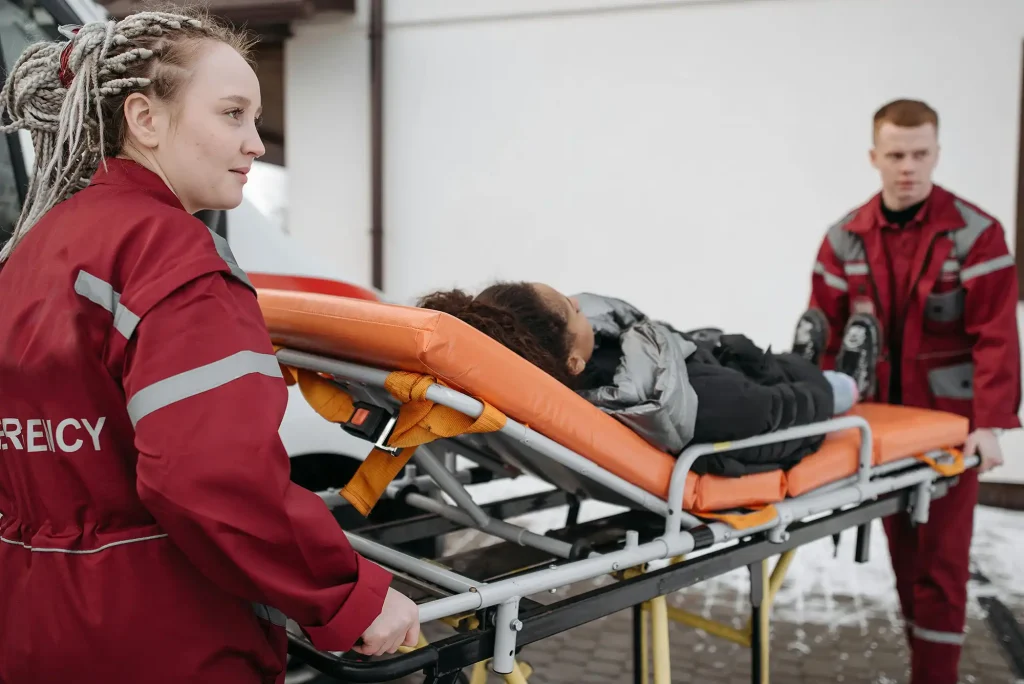
The Role of a Trauma Team in Handling Travel-Related Emergencies – You spend months planning your holiday. You pick the villa, book the flights, and list the beaches you want to visit, picture yourself on a scooter exploring the coastline or surfing the waves at Uluwatu. You do not picture yourself in an emergency room.
No one plans for an accident. But in a place like Bali, where the roads are busy and the activities are adventurous, they happen. When they do, the difference between a quick recovery and a long-term complication often comes down to one thing: the quality of the medical team waiting for you.
A trauma team is a highly synchronized unit trained to handle the unexpected. Understanding their role helps you see why choosing the right facility is the most critical decision you can make in an emergency.
Here is how a professional trauma team operates and why they are essential for travel-related emergencies.
1. They Own the “Golden Hour”
In emergency medicine, there is a concept called the “Golden Hour.” This refers to the first sixty minutes after a traumatic injury. Medical evidence suggests that if you receive definitive care within this window, your chances of survival and full recovery increase dramatically.
A specialized trauma team is built around this concept. They do not waste time figuring out who does what. When a patient arrives, everyone has a specific role.
- The Team Leader: Directs the resuscitation and makes the critical decisions.
- The Airway Doctor: Ensures you can breathe, often an anesthesiologist.
- The Circulation Team: Manages blood loss and IV lines.
- The Survey Team: Checks for hidden injuries using ultrasound or physical exams.
In a trauma center, the system is designed to bypass the wait. They assess, stabilize, and treat immediately. This speed is vital for common travel injuries like scooter accidents or falls, where internal bleeding might not be immediately obvious but is life-threatening.
2. They Bring a Multidisciplinary Approach
Trauma is rarely simple. A bad fall from a height might break a leg, but it could also cause a concussion or damage your spleen.
A designated trauma team brings together experts from different fields who work side-by-side.
Orthopedic Surgeons Bone fractures are the most common injury for travelers in Bali. Whether it is a wrist fracture from a slip or a complex leg break from a motorbike crash, an orthopedic surgeon needs to align the bones correctly to ensure you can walk properly again.
General Surgeons and Neurosurgeons If there is internal damage to the abdomen or head, these specialists step in. A trauma center will have these surgeons on call 24/7. They can perform emergency surgeries to stop bleeding or relieve pressure on the brain.
Anesthesiologists and Nurses These are the unsung heroes of the trauma room. The nurses monitor your vitals constantly, while the anesthesiologist manages your pain and keeps you stable during procedures. Their training is specific to high-stress, high-stakes environments.
3. They Utilize Advanced Diagnostics
You cannot treat what you cannot see. In a severe accident, the external cuts and bruises are often the least of your worries. The real danger lies inside. A trauma team relies on advanced technology to get a clear picture of your condition in minutes.
CT Scans A Computerized Tomography (CT) scan is the gold standard for trauma. It takes hundreds of X-rays from different angles to create a 3D image of your body. It can spot a brain bleed or a liver laceration in seconds. A clinic without a CT scan might miss these critical injuries.
X-Rays and Ultrasound For bone breaks and quick checks of the abdomen, these tools are essential. The trauma team uses them right at the bedside to make fast decisions. They do not guess; they verify.
Having this equipment on-site means you do not need to be transferred to another facility to get a diagnosis. Every transfer takes time, and in trauma, time is the enemy.
4. Why BIMC Hospital Kuta Is Your Best Choice
When you are in Kuta, Legian, or Seminyak, you are in the heart of the action. You are also in the heart of the traffic. If an emergency happens, you need a facility that combines speed, expertise, and accessibility. This is where BIMC Hospital – Kuta stands out.
Strategically Located for Speed
Located at the Simpang Siur roundabout, BIMC Hospital – Kuta is accessible from the main bypass. This location is crucial for cutting down transport time from the major tourist areas and the airport.
International Standards of Care
BIMC Kuta is accredited by the Australian Council on Healthcare Standards (ACHS). This is your assurance that the protocols they use are the same as what you would expect at home. You do not have to worry about hygiene, sterile equipment, or outdated practices.
Ready for Anything, 24/7 Their Accident & Emergency Centre never closes.
- The Team: They have surgeons, anesthesiologists, and nurses trained in Advanced Trauma Life Support (ATLS) and Advanced Cardiac Life Support (ACLS) on standby.
- The Facilities: They have their own CT scan, digital X-ray, and sterile operating theaters ready to go day or night.
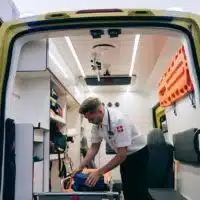
- The Response: They operate a fleet of ambulances. If you cannot get to them, they can get to you.
Seamless Administration
In a trauma situation, the last thing you want to worry about is paperwork. BIMC Hospital – Kuta has extensive experience working with international insurance companies. They can handle the communication with your insurer, arrange for medical evacuation if necessary, and let you focus on getting better.
Contact Information
Save these details. You hopefully will never need them, but having them on your phone is a smart safety measure.
Contact BIMC Hospital – Kuta
BIMC Hospital Kuta
Jl. Bypass Ngurah Rai No. 100X, Kuta, Badung, Bali 80361
Emergency: +62 361 761 263
Call Centre: +62 811 960 8500
Accidents are scary, but being prepared gives you control. By knowing that a professional trauma team at BIMC Hospital – Kuta is ready to help, you can relax and enjoy your Bali holiday with peace of mind.
© 2026 BIMC Hospital – Kuta. All rights reserved.