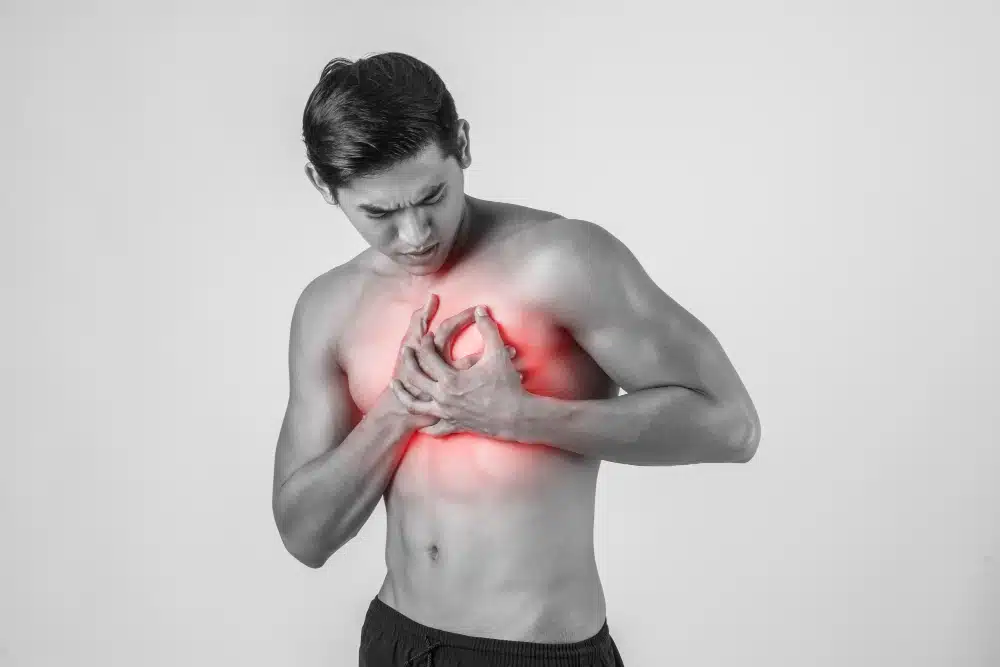
Heart Attack vs. Panic Attack: 6 Signs to Tell Them Apart Fast – Your chest tightens, your heart is pounding, and you cannot catch your breath. In that moment, heart attack vs. panic attack is the question that matters most, and getting the answer wrong can cost precious time. Both conditions can produce chest pain, a racing heart, sweating, and a wave of fear, which is exactly why so many people freeze instead of acting. We put together this guide so you know what to look for, what to do, and why hesitating is riskier than simply getting checked.
Heart Attack vs. Panic Attack: Why They Feel So Similar
Both conditions activate your body’s stress response, so many of the physical sensations overlap. Understanding what is actually happening inside your body helps explain why the two can feel almost identical in the first few minutes.
What Happens During a Heart Attack
A heart attack occurs when blood flow to part of the heart muscle is blocked, usually by a buildup in the arteries. Without oxygen, that section of heart tissue begins to suffer damage, which is why heart attack symptoms tend to build and then stay put rather than passing on their own.
What Happens During a Panic Attack
A panic attack is a sudden surge of intense fear that triggers your body’s fight-or-flight response, even without any real physical danger. It can cause a racing heart, rapid breathing, and chest tightness, and panic attack symptoms can feel just as alarming in the moment, but they are not caused by blocked blood flow, and they are not physically dangerous on their own.
6 Signs to Tell Heart Attack and Panic Attack Apart
1. Where the Pain Sits and Whether It Spreads
Heart attack pain often feels like pressure, squeezing, or fullness in the center of the chest, and it commonly spreads to one or both arms, the back, neck, or jaw. Panic attack chest pain tends to stay sharp, localized, and centered in the mid-chest, without spreading outward.
2. How Quickly It Builds and How Long It Lasts
Panic attack symptoms usually peak within 10 to 20 minutes and then fade on their own. Heart attack symptoms often start more gradually, but they last longer than a few minutes, and they may ease briefly before returning, rather than disappearing for good.
3. What Seems to Trigger It
Panic attacks are often linked to stress, a specific fear, or an emotional trigger, though they can also strike out of nowhere. Heart attacks are more likely to appear during physical exertion or at rest, and they are not caused by emotional stress alone, even though stress can be a contributing risk factor over time.
4. Whether Calming Down Helps
Slow breathing, sitting down, and reassurance can genuinely ease panic attack symptoms within minutes. Heart attack symptoms typically do not improve with breathing exercises or relaxation, no matter how hard you try to calm yourself.
5. Extra Red Flags That Point to the Heart
Cold sweats, nausea or vomiting, sudden shortness of breath, lightheadedness, and unusual fatigue are common heart attack symptoms, and they are especially common in women, who are more likely to have these signs than classic chest pain alone. If you notice several of these together, treat it as a heart emergency.
6. Your Personal Health and Risk Factors
Someone with high blood pressure, diabetes, high cholesterol, a smoking history, or a family history of heart disease carries a higher baseline risk for a heart attack. A history of previous panic attacks makes panic more likely, though heart attacks can still happen to younger, seemingly healthy people, so risk factors should guide caution, not certainty.
What to Do Right Now
If you are ever unsure whether it is a heart attack vs. panic attack, treat it as a heart emergency until proven otherwise. Call emergency services immediately rather than waiting to see if the chest pain passes, and avoid driving yourself, since a heart attack can trigger a dangerous heart rhythm without warning. Stay on the line with the dispatcher, who can guide you through what to do while help is on the way. When you are not sure which one you are facing, seeking emergency care right away costs you little, while waiting it out can cost far more.
Doctors would always rather examine someone and confirm it was a panic attack than have that person stay home during a real one. If your symptoms fade within twenty minutes, feel sharp rather than crushing, and do not spread to your arm or jaw, panic is more likely, but emergency care can still confirm what is going on and rule out anything more serious.
Your Medical Partner: BIMC Hospital Kuta
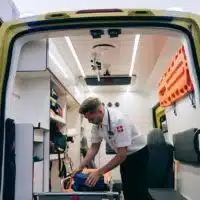
Chest pain is not something to wait out, especially far from home. Our 24-hour Accident and Emergency Centre at BIMC Hospital Kuta is staffed and equipped to deliver fast emergency care for chest pain, with fully equipped ambulances on standby and an on-site cardiologist available to help confirm what is actually happening. Our doctors and nurses speak fluent English, so you can describe your symptoms clearly and understand every step of your care without added stress.
We also operate a 24-hour Medical Centre with an in-house laboratory and radiology department, so if your symptoms turn out to be anxiety-related rather than cardiac, we can still help you understand what happened, manage panic attack symptoms going forward, and plan next steps. BIMC Hospital Kuta holds international accreditation from the Australian Council on Healthcare Standards, reflecting the same safety standards you would expect at home.
Heart attack vs. panic attack is not a question you should try to answer alone at the moment. If you or someone with you has sudden chest pain, call our emergency line right away, or come straight to BIMC Hospital Kuta so our team can act while every second still counts.
- Location: Jalan Bypass Ngurah Rai Number 100X, Kuta, Bali
- 24 Hour Emergency Call: (+62 361) 761 263
- WhatsApp (Text Only): +62 811 3960 8500
© 2026 BIMC Hospital – Kuta. All rights reserved