In the world of parenting, few situations are more terrifying than a childhood emergency. Whether it’s a choking incident, a high fever, an allergic reaction, or a fall from a bicycle, the critical minutes between the onset of a crisis and the arrival of medical help can make all the difference. Knowing how to recognize and respond quickly to these emergencies is an essential part of keeping children safe and potentially saving lives.
What Are Childhood Emergencies?
Childhood emergencies refer to sudden, potentially life-threatening situations that affect infants, toddlers, and older children. These incidents can result from accidents, illnesses, allergic reactions, poisoning, or injuries during play. While many emergencies are preventable, they remain a leading cause of injury and death among children worldwide.
Common types of childhood emergencies include:
- Choking or airway blockage
- Severe allergic reactions (anaphylaxis)
- Drowning or near-drowning
- Burns and electrical injuries
- High fevers with seizures (febrile seizures)
- Head injuries from falls or collisions
- Poisoning from household substances or medications
- Asthma attacks or breathing difficulties
Understanding these scenarios and preparing for them helps parents, caregivers, and teachers act effectively when seconds truly count.
Why Quick Response Matters
In childhood emergencies, immediate action can prevent complications and even death. For instance, brain damage from lack of oxygen during choking or drowning can begin within just four to six minutes. In anaphylaxis, symptoms such as swelling of the airways and low blood pressure can escalate rapidly without treatment. Fast and correct response stabilizes the child’s condition until professional help arrives.
That’s why first aid knowledge is one of the most valuable skills any adult responsible for children can possess. Prompt intervention—including CPR, the Heimlich maneuver, or administering an epinephrine auto-injector—can be the difference between life and tragedy.
Recognizing the Signs of a Serious Emergency
Every second counts in an emergency, but recognizing the warning signs of a childhood emergency is the first step. Seek emergency help immediately if a child:
- Is unconscious or difficult to wake up
- Has trouble breathing, wheezing, or gasping
- Is bleeding heavily or has a deep wound
- Complains of sudden, severe pain, especially in the abdomen or head
- Shows signs of poisoning (vomiting, confusion, chemical smell)
- Has a seizure lasting more than five minutes
- Appears blue or pale, especially around the lips or fingertips
- Is involved in a serious accident (e.g., hit by a car, fall from height)
Always trust your instincts—if something feels wrong, it probably is. Don’t hesitate to call emergency services.
First Aid Basics for Parents and Caregivers
Equipping yourself with basic first aid knowledge helps you act confidently during childhood emergencies. Here are some life-saving tips:
1. Choking
If a child is choking and unable to cough or speak, perform the Heimlich maneuver (abdominal thrusts) for older children, or back blows and chest thrusts for infants.
2. CPR (Cardiopulmonary Resuscitation)
If a child is unresponsive and not breathing, begin CPR. Provide chest compressions and rescue breaths as taught in a certified course.
3. Seizures
Do not restrain the child. Turn them onto their side, clear the area of hard objects, and time the seizure. Call for help if it lasts longer than five minutes or is the child’s first seizure.
4. Bleeding
Apply firm pressure with a clean cloth. Elevate the injured area if possible. If bleeding doesn’t stop after 10 minutes, seek emergency care.
5. Burns
Cool the burn under running water for at least 10 minutes. Do not apply butter, toothpaste, or ice. Cover the area loosely with a clean, non-stick bandage.
6. Allergic Reactions
If a child has known allergies, administer an epinephrine auto-injector immediately at the first sign of symptoms (hives, swelling, difficulty breathing). Then call emergency services.
7. Poisoning
If you suspect poisoning, do not induce vomiting. Call the poison control center or emergency hotline immediately and provide details of the substance ingested.
Prevention: The Best Protection
While it’s impossible to avoid all risks, many childhood emergencies can be prevented through awareness and safety practices:
- Childproof your home: Secure furniture, cover outlets, and keep medications and chemicals out of reach.
- Supervise water play: Never leave children unattended near pools, bathtubs, or buckets of water.
- Use car seats correctly: Follow guidelines for age and weight to ensure proper protection during travel.
- Teach safety rules: Instruct children on crossing streets, using helmets when biking, and not talking to strangers.
- Keep emergency numbers handy: Post them near phones and save them in your mobile devices.
- Take a certified first aid and CPR course: It’s one of the most empowering things a parent or caregiver can do.
Emergency Preparedness at Schools and Communities
Schools and child care centers must also be prepared for childhood emergencies. Staff should be trained in basic life support and emergency response plans should be reviewed regularly. Access to first aid kits, inhalers, and EpiPens must be ensured for children with known health conditions.
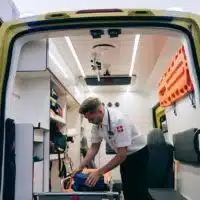
Community programs can further support emergency readiness by offering workshops for parents and ensuring ambulance services are responsive and accessible.
Conclusion: Confidence Through Preparedness
Childhood emergencies are often sudden and frightening—but preparation is the key to managing them effectively. With basic first aid knowledge, awareness of symptoms, and a calm mindset, caregivers can protect children and reduce the risks of long-term harm.
Every moment matters when a child’s health or life is at stake. By learning how to respond quickly and effectively to childhood emergencies, we create safer environments for children to grow, explore, and thrive. Please contact BIMC Emergency 24 Hours +62 361 761263, +62 812 386 5548.