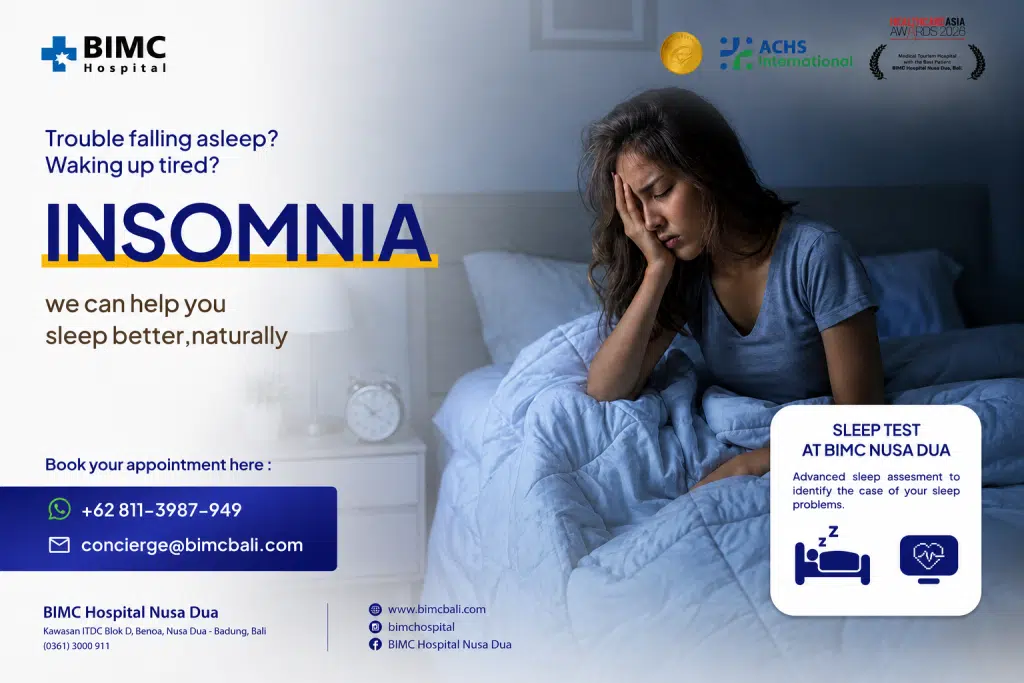
When Poor Sleep Becomes a Pattern, It May Be Time to Investigate
A restless night happens to almost everyone. Stress, travel, changes in routine, late nights, or an unfamiliar environment can all make sleep difficult.
But when falling asleep or staying asleep becomes a regular problem, the issue may deserve closer attention.
Insomnia can involve difficulty falling asleep, waking frequently during the night, waking earlier than intended, or experiencing sleep that does not leave you feeling rested. Over time, poor sleep can affect concentration, memory, mood, energy levels, and daily performance.
Sleep Problems Are More Common Than You May Think
New data from the US Centers for Disease Control and Prevention provides a recent look at sleep difficulties among adults.
According to data from the 2024 National Health Interview Survey, 15.4% of adults reported having trouble falling asleep, while 18.1% reported trouble staying asleep. The report also found that 30.5% of adults slept for less than seven hours on average within a 24 hour period.
These figures highlight how common sleep difficulties can be. However, frequent sleep problems should not automatically be dismissed as simply needing more rest.
What Could Be Behind Your Sleep Problems?
Insomnia can have many possible contributors.
Stress and emotional strain may make it difficult for the mind to settle at night. Irregular sleep schedules, travel, shift work, caffeine, alcohol, certain medications, and lifestyle habits can also affect sleep.
In some cases, difficulty sleeping may occur alongside another health or sleep related condition.
This is why understanding the pattern of your sleep can be valuable. A healthcare professional can review your symptoms, medical history, lifestyle, medications, and sleeping habits to determine whether further assessment is appropriate.
Does Insomnia Always Require a Sleep Test?
Insomnia is often evaluated through a detailed discussion about sleep patterns and symptoms, sometimes supported by a sleep diary. Healthcare providers may use medical history, sleep habits, and other assessments when evaluating insomnia.
A sleep test may be recommended when your doctor suspects another sleep disorder or needs additional information about what happens while you are asleep.
Better Sleep Starts With Finding the Right Cause
Occasional sleeplessness may pass on its own. Persistent sleep problems deserve a closer look.
At BIMC Nusa Dua Hospital, patients can discuss their sleep concerns with the medical team and receive an appropriate assessment. Where clinically indicated, further sleep evaluation or a sleep test may help provide a clearer understanding of what is happening during the night.
If poor sleep has become a regular part of your life, consider taking the next step toward understanding why with us.
For reservation: concierge@bimcbali.com
BIMC Nusa Dua Hospital / Sleep Test & Sleep Care