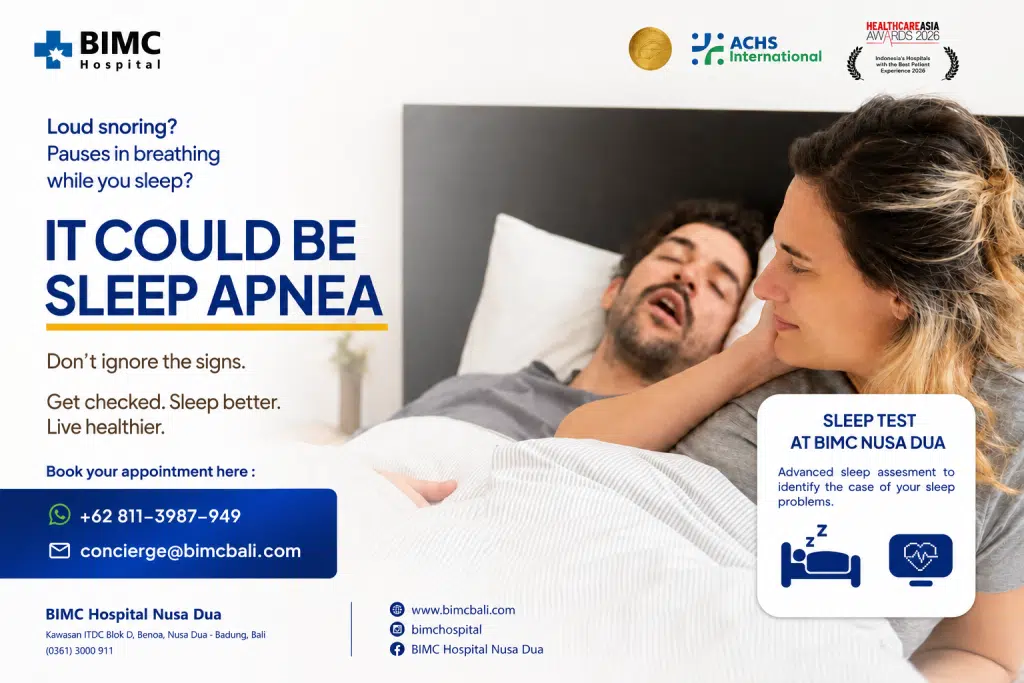
Snoring is often treated as a harmless part of sleeping. However, when it is loud, frequent, or accompanied by changes in breathing, it may indicate that the airway is becoming blocked during sleep.
Obstructive sleep apnea occurs when the upper airway repeatedly becomes blocked while a person sleeps. Breathing can become reduced or stop temporarily, causing repeated disruptions that may prevent the body from getting the restorative sleep it needs.
It Is Not Always Just About Snoring
Some people may wake briefly throughout the night without remembering it the next morning. Others may notice symptoms during the day, such as persistent tiredness, difficulty concentrating, headaches, dry mouth, or feeling sleepy despite spending enough time in bed.
A sleeping partner may be the first person to notice something unusual, particularly loud snoring, gasping, or repeated pauses in breathing.
Why Should You Pay Attention?
Sleep apnea can affect more than the quality of your sleep.
Untreated sleep apnea can affect concentration, memory, decision-making, and daytime alertness. It is also associated with health conditions, including high blood pressure, heart disease, stroke, and diabetes.
How Can a Sleep Test Help?
A sleep test can provide information that may not be possible to identify from symptoms alone.
During a sleep study, healthcare professionals can monitor different signals related to sleep and breathing. The results can help determine whether sleep apnea is present, identify its severity, and support decisions about appropriate next steps.
Your doctor may consider your symptoms, medical history, risk factors, and sleep patterns when deciding whether a sleep study is appropriate.
When Should You Get Checked?
Consider speaking with a healthcare professional if:
• Your snoring is loud or happens regularly
• Someone notices pauses in your breathing while you sleep
• You wake up gasping or choking
• You regularly feel sleepy or exhausted during the day
• You wake with headaches or a dry mouth
• You have difficulty concentrating despite getting enough time in bed
These signs do not necessarily mean you have sleep apnea, but they may be reasons to discuss your sleep with a doctor.
Don’t wait until poor sleep starts affecting your daily life. Understanding what happens during the night can be an important first step toward better sleep and healthier days.
Patients can discuss their symptoms and sleep concerns with the doctors at BIMC Nusa Dua Hospital. Where appropriate, a sleep assessment or sleep test can help provide a clearer picture of your nighttime breathing and guide the next step in care.
For reservation: concierge@bimcbali.com
BIMC Nusa Dua Hospital | Sleep Test & Sleep Care