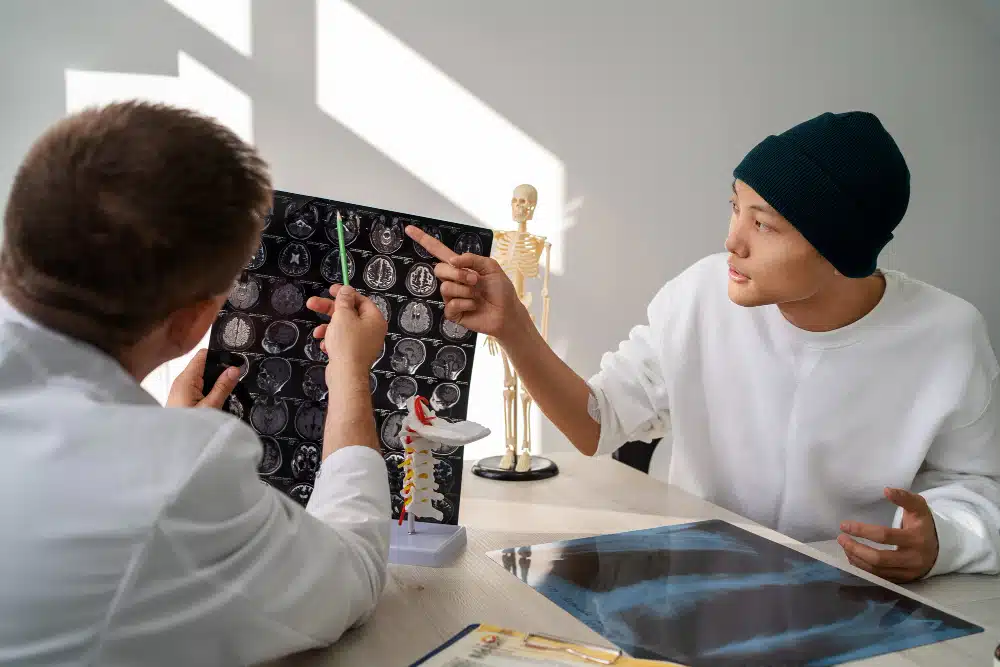
How the Brain Changes After Trauma: The Neuroscience of PTSD – We often think of trauma as a purely emotional burden. We assume people with post-traumatic stress disorder are simply struggling with bad memories. Medical science shows us a completely different reality. Severe trauma causes literal, physical changes inside the structures of the human brain.
At Bali International Medical Centre known as BIMC Hospital – Kuta, we treat the invisible wounds of trauma with the same urgency as physical injuries. We want to explain exactly what happens inside your head after a terrifying event. Understanding the biology of trauma helps remove the social stigma surrounding mental health. It proves that your symptoms are a biological reaction, not a personal failure.
When you experience a severe threat, your body floods with survival chemicals. Stress hormones like cortisol and norepinephrine pump through your bloodstream. This chemical flood helps you fight or flee the immediate danger. However, in cases of extreme trauma, these chemicals can permanently alter how your brain functions going forward.
The Amygdala and the Broken Alarm System
Your amygdala is a small, almond-shaped structure located deep inside your brain. It acts as your internal security system and smoke detector. Its primary job is to scan your environment for threats to keep you safe. When it senses danger, it triggers your fear response instantly.
In a healthy brain, the amygdala calms down once the danger passes completely. For someone with PTSD, the amygdala becomes hyperactive and overly sensitive. Brain scans show that this tiny organ actually stays on high alert long after the trauma is over. It becomes triggered by everyday situations.
This overactive amygdala explains why traumatized individuals feel a constant state of anxiety. It causes severe hypervigilance in normal environments. You might startle easily at loud noises or feel panicked in crowded spaces. Your brain genuinely believes you are still facing an immediate, life-threatening situation.
The Hippocampus and the Memory Filing Cabinet
Your hippocampus works very closely with your amygdala. You can think of it as your brain’s chronological filing cabinet. It takes your daily experiences, turns them into memories, and files them away safely in the past. This process tells your conscious mind that a stressful event is finally over.
During a traumatic event, the extreme spike in stress chemicals disrupts this exact filing process. The hippocampus fails to store the memory correctly with a time stamp. Instead of filing the trauma in the past, it keeps the terrifying memory active in the present moment. This malfunction causes intense flashbacks and debilitating nightmares.
Medical research shows that constant stress can actually reduce the physical volume of the hippocampus. This shrinkage is clearly visible on MRI scans of PTSD patients. Because the hippocampus is physically damaged, it cannot tell the amygdala that the threat has passed. The alarm bell just keeps ringing without any pause.
The Prefrontal Cortex and the Control Centre
The medial prefrontal cortex sits right behind your forehead. This is the highly evolved, rational control centre of your brain. It manages your executive functions, your complex decision-making, and your emotional regulation. It is supposed to act as the logical off switch for your amygdala.
When you hear a loud bang, your amygdala panics. Your prefrontal cortex is supposed to realize it is just a car door slamming and calm your body down. In a brain affected by trauma, the prefrontal cortex loses its physical volume and its functional power. It becomes sluggish and weak.
Because the prefrontal cortex is weakened, it cannot interact efficiently with the rest of your brain. It completely fails to turn off the amygdala alarm system. This area of the brain also manages your verbal communication skills. This explains why trauma survivors often struggle to find the right words to describe their intense feelings.
The Good News About Brain Healing
Learning about brain damage sounds frightening and permanent. However, you must understand a powerful biological concept called neuroplasticity. Your brain is not rigidly frozen in place. It has an incredible ability to grow, adapt, and literally rewire itself throughout your entire life.
With the right medical treatment, you can actively reverse the physical effects of trauma. Professional therapy encourages neurogenesis, which is the actual growth of new nerve tissue. Clinical evidence shows that specific therapeutic treatments can actually shrink an enlarged amygdala back down to its normal, healthy size.
At the same time, targeted psychological therapy helps increase the physical volume of your hippocampus. Your brain can learn how to file those traumatic memories correctly in the past. You can absolutely restore your inner sense of safety and clarity. Healing just requires time, patience, and professional medical guidance.
Professional Mental Health Support at Bali International Medical Centre known as BIMC Hospital – Kuta
We know that seeking help for mental trauma feels intimidating. You do not have to struggle through this physical and emotional pain alone. We are here to support your recovery journey at BIMC Hospital – Kuta. We provide comprehensive, compassionate psychiatric care for international travellers and local residents.
We maintain a dedicated staff psychiatrist who is available on a twenty-four-hour basis. We understand that mental health emergencies do not follow a convenient daily schedule. Panic attacks and severe PTSD flashbacks can happen at any time of the day or night. Our team is always ready to provide expert consultation and immediate psychiatric intervention.
If your mental trauma is the result of a recent physical accident, we offer seamless medical care. Our trauma surgeons and mental health professionals work together in the exact same facility. We can treat your broken bones and support your emotional recovery simultaneously. We focus on healing the whole person.
Please do not wait for your symptoms to become entirely unbearable. Early psychiatric intervention significantly improves your chances of a full and lasting recovery. Save our contact information in your phone right now. You can reach out to our compassionate team whenever you feel ready to take the next step towards healing.
- Location: Jalan Bypass Ngurah Rai Number 100X, Kuta, Bali
- 24 Hour Emergency Call: (+62 361) 761 263
- WhatsApp (Text Only): +62 811 3960 8500
Your brain has the biological power to heal from severe trauma. Trust the dedicated medical professionals at BIMC Hospital – Kuta to guide you through that process safely. We are always here to help you reclaim your life and your inner peace of mind.
© 2026 BIMC Hospital – Kuta. All rights reserved.